

Appointments
+(603) 5515 1966
General Line
+(603) 5515 1888

 August 3, 2026
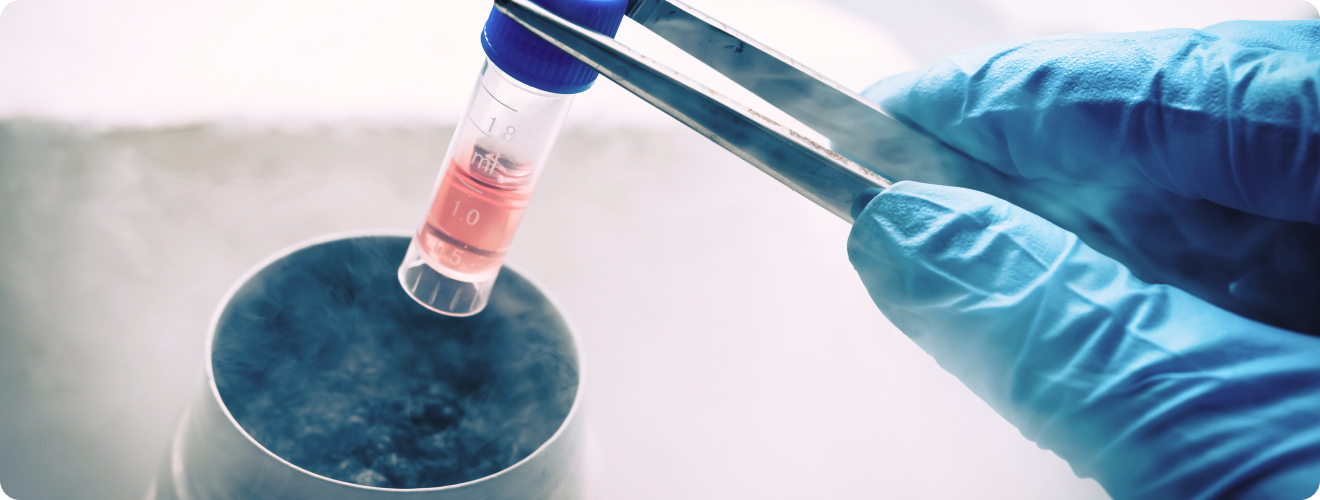
Egg freezing is no longer a niche conversation. More women are considering it as part of long-term family planning, whether for medical reasons, career timing, personal circumstances, or simply to preserve future options. In Malaysia, access to fertility services has expanded, and many private fertility centres now offer egg freezing as part of broader reproductive care. The question many women ask is not only “should I freeze my eggs? but also how do I prepare properly before starting?”
Preparation matters. Egg freezing is not a single appointment but a process that involves health screening, ovarian stimulation, egg retrieval, and long-term storage. Good preparation can help you feel more informed, reduce avoidable stress, and support smoother treatment planning. It also helps set realistic expectations about cost, timing, side effects, and outcomes.
This guide explains how to prepare for egg freezing step by step, with a focus on what patients in Malaysia should know before treatment begins.
Egg freezing, or oocyte cryopreservation, is a fertility preservation method in which mature eggs are collected, frozen, and stored for future use. The most widely used method today is vitrification, a rapid freezing technique designed to reduce ice crystal formation and improve egg survival after thawing.
Women consider egg freezing for different reasons. Some are preparing for chemotherapy or surgery that may affect fertility. Others want to preserve fertility while delaying pregnancy due to education, work, financial readiness, or not having the right partner yet. In fertility practice across Malaysia, both medical and elective egg freezing are discussed as part of proactive reproductive planning.
Age remains one of the biggest factors influencing egg freezing outcomes. Fertility naturally declines over time, especially after 35, because both egg number and egg quality decrease. That is why many fertility specialists encourage women who are considering egg freezing to seek assessment early, even if they are not ready to proceed immediately. A fertility consultation can help determine whether the timing makes sense based on ovarian reserve, medical history, and personal goals.
Before making any major decisions, schedule a consultation with a fertility specialist. This first appointment usually includes a review of your menstrual history, past pregnancies, medical conditions, medications, surgeries, and family history of early menopause or reproductive disorders.
The doctor may recommend tests to assess your ovarian reserve, which is an estimate of the remaining egg supply. Common tests include:
| Test | What it helps assess | Why it matters |
|---|---|---|
| AMH blood test | Ovarian reserve | Helps estimate how strongly the ovaries may respond to stimulation |
| Antral follicle count ultrasound | Number of visible resting follicles | Gives another indicator of egg supply |
| Hormone blood tests | Reproductive hormone patterns | Helps guide treatment timing and medication planning |
| Infectious disease screening | Safety before storage and future use | Standard part of fertility treatment planning |
These tests do not predict future pregnancy with certainty, but they help the medical team estimate expected response to stimulation and whether one or more egg freezing cycles may be needed.
Many patients search for ways to improve egg quality before treatment. It is important to be realistic here. You cannot dramatically change egg quality in a short period, but you can support your overall health and reduce factors that may negatively affect reproductive function.
A practical pre-treatment window is about two to three months, as this gives enough time to make consistent lifestyle changes and complete health checks without rushing.
A balanced diet supports general reproductive health. Foods rich in folate, antioxidants, healthy fats, and whole foods are commonly recommended in preconception care. Folate intake is especially relevant for cycle regulation, ovarian function, and pregnancy preparation, while omega-3 fatty acids may support cellular health, although evidence on direct improvement in egg quality remains limited.
In daily practice, this usually means eating more leafy greens, legumes, fruits, vegetables, whole grains, nuts, seeds, and healthy sources of fat. It is also wise to address untreated medical issues such as poorly controlled thyroid disease, diabetes, severe anaemia, or significant weight changes before starting treatment.
Do not start supplements blindly because they are popular online. Some patients take folic acid, vitamin D, or omega-3 supplements before egg freezing, but the right plan depends on your health status and your doctor’s advice. Bring a list of everything you are taking, including herbal products and traditional remedies, because some may interfere with treatment or anaesthesia.
Smoking should be stopped. Tobacco use is consistently associated with poorer reproductive outcomes and faster decline in ovarian reserve. Alcohol is best minimized, and heavy use should be avoided. Caffeine does not need to be eliminated entirely in most cases, but moderation is sensible while preparing for treatment.
Regular moderate exercise can support overall wellbeing, but extreme training may not be ideal during fertility treatment. Aim for consistent sleep, manageable activity, and stress reduction that feels realistic for you. That may be walking, yoga, journaling, prayer, or speaking with a counsellor. The goal is not to create a perfect routine. It is to enter treatment in the best possible physical and mental state.
One reason patients feel overwhelmed is that the process seems complicated at first. In reality, it becomes easier once you understand the sequence.
After your fertility workup, your doctor will decide when to begin the cycle. You may be asked to call the clinic on the first day of your period. Some protocols begin early in the menstrual cycle, and others may use pre-treatment medications depending on your hormone levels and scheduling needs.
You will usually take hormone injections for 10 to 14 days to stimulate multiple eggs to mature in one cycle. During this period, the clinic monitors follicle growth through ultrasound scans and blood tests. In many cases, patients attend several monitoring visits before the trigger injection is scheduled.
When the follicles are ready, you will take a trigger injection to complete final egg maturation. Egg retrieval usually takes place about 34 to 36 hours later. The procedure is commonly done under sedation and typically lasts about 20 to 30 minutes. A needle is guided through the vaginal wall using ultrasound to collect the eggs from the ovaries.
Most patients go home the same day. Mild bloating, cramping, fatigue, and light spotting can occur for a few days after retrieval. Mature eggs are then frozen in the laboratory using vitrification.
Medical readiness is only one part of preparation. Practical planning can make the process much easier.
Egg freezing requires multiple clinic visits over a short period. Monitoring appointments may happen every few days, and timing can shift depending on how your ovaries respond. If you work full-time, arrange flexibility in advance where possible. Many patients prefer not to wait until the last minute to explain recurring morning medical appointments.
Cost is an important consideration when planning for egg freezing. As fees, services, and treatment protocols vary between clinics, it is advisable to ask for a written cost breakdown that includes consultation fees, scans, blood tests, medications, sedation, egg retrieval, freezing, and storage. This helps ensure transparency and reduces the likelihood of unexpected charges later in the process.
Because sedation is commonly used, you may need someone to accompany you home after the procedure. It also helps to prepare light meals, loose clothing, sanitary pads, and a quiet recovery day in advance.
The quality of your decisions often depends on the quality of your questions. Before proceeding, make sure you understand:
Egg freezing is generally considered safe, but it is still a medical procedure and should be approached with informed expectations.
Possible short-term side effects include bloating, pelvic discomfort, nausea, temporary fluid retention, bruising at injection sites, and fatigue. There is also a small risk of bleeding, infection, or complications from sedation. Ovarian hyperstimulation syndrome, or OHSS, is an uncommon but important complication linked to ovarian stimulation.
It is equally important to understand that egg freezing does not guarantee a future baby. Success depends on several factors, including age at freezing, number of mature eggs stored, egg survival after thawing, fertilization, embryo development, and uterine factors later on.

Preparing for egg freezing begins long before the procedure itself. Understanding the process, assessing your health, and choosing an experienced fertility team can help you approach treatment with greater confidence and realistic expectations.
By taking the time to prepare, you can make informed decisions that support both your current needs and your future family planning goals.
Source:
Spread the love, follow us on our social media channels